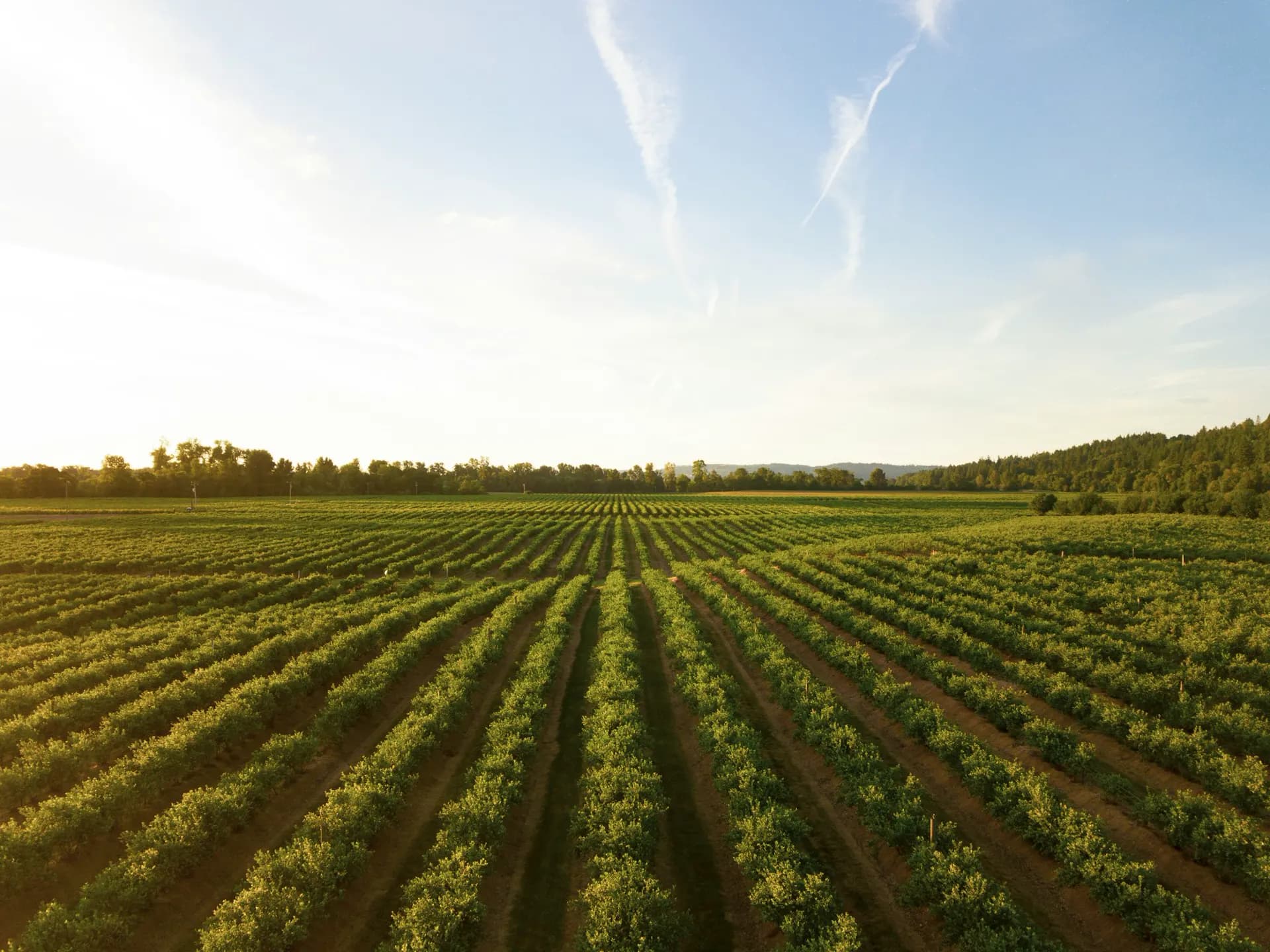
Climate on this map is a gradient, not a ranking. Cooler districts — Yarra, Tamar, and Clare when the conversation is riesling — tend toward higher-acid, finer-boned wines. Warmer-leaning historic districts — parts of Barossa and Hunter — are associated with riper reds. That sentence is the answer. The rest is how not to turn it into a score.
We will not publish average growing-season temperatures we did not measure. We will not reprint a vintage chart. We will use official geography (Wine Australia GIs) and official tourism climate language, then stop before the science fiction.
What “cool climate” is doing in the sentence
In Australian wine talk, cool climate is shorthand for fruit that can hold acid and aroma — pinot noir, chardonnay, riesling, sparkling bases, some aromatic whites. It is also shorthand for a jumper in the boot and a later, more nervous harvest. Visit Melbourne’s Yarra copy is farm gates and pinot. Discover Tasmania’s Tamar copy is pinot and sparkling on a river. South Australian Tourism’s Clare copy is riesling and a measured pace. Those are not lab results. They are the public language of the places.
Cool climate is not a moral good. It is a set of constraints. Constrained fruit can be beautiful. It can also be thin if the year was unkind. This site will not tell you which year was kind. Ask the pourer about the vintage in the glass, not about a medal.
What “warm” is doing in the sentence
Warm, on this map, is even more dangerous as a label. Barossa’s public story is shiraz, heritage vines, and a valley floor that can ripen generously. Hunter’s public story is older Australian wine country with semillon and shiraz, heat, and humidity that is not Barossa’s dryness. Those are different warms. Treating them as one “big red” bucket is how people miss Hunter semillon entirely.
Warm is not a moral failing. It is a set of constraints that favour different ripening, different canopy work, and different food. A long Barossa lunch and a ripe red is a coherent pair in official tourism language. A Hunter Saturday that ignores semillon because the visitor only packed a shiraz script is a wasted GI.
Valley by valley, without a trophy
Yarra (Port Phillip zone GI). Cool-climate Victorian story. Pinot, chardonnay, sparkling. An hour from Melbourne. Farm gates in the official copy. You come for tension in the glass and a village that still sells fruit. You do not come to prove a point about Tasmania.
Tamar (tourism district inside the Tasmania GI). Cool-climate island story. Pinot, sparkling, east-bank / west-bank talk in official pages. Fifteen minutes to Legana, forty-five to Pipers Brook. You come for a river and a boutique door you confirmed. You do not come to “beat” the Yarra.
Clare (Mount Lofty Ranges zone GI). The official headline is riesling and a 33 km trail, two hours from Adelaide. Riesling is a cool-night, dry-day conversation as much as a “cool region” sticker. Clare also grows reds. Do not file the whole GI under white wine and leave.
Barossa (Barossa zone GI). The official headline is shiraz, towns, markets, 50–60 minutes from Adelaide. Eden Valley sits beside it on the register and is the cooler, higher neighbour. If you want the gradient inside one weekend, that neighbour is the honest one — confirmed, not collected.
Hunter (Hunter Valley zone GI). Official headline: pre-eminent destination just over two hours from Sydney, food as well as wine, subregions Pokolbin, Broke Fordwich, Upper Hunter. Semillon is the style that breaks the “warm equals only ripe red” cartoon. Shiraz here is its own sentence.
How climate should change a weekend, not a personality
Climate changes kit and pacing more than it changes your identity as a drinker.
- Cool mornings: later first pours, a layer, less hero photography in a t-shirt.
- Warm afternoons: water, shade, a driver who is still paying attention.
- Vintage in any climate: more utes, sometimes shorter tastings. Ask. See seasons.
- Food: high-acid wines can sit with richer plates; riper reds often want brightness — pickles, leaves, a sharp cheese. The cooking classes page is the kitchen version. No recipes we invented as “authentic 1842 Barossa stew”.
Climate should not change the sober vehicle rule. Cool air does not metabolise alcohol.
What we will not do with climate
We will not say which valley is “best for pinot”. We will not invent a degree-day table. We will not tell you that a 2024 wine is better than a 2022 wine. We will not use “award-winning” as a substitute for a source — even when a tourism page uses it.
If you want numbers, look at Wine Australia’s published regional reports and the Bureau of Meteorology for weather. Those are primary sources. This page is a way to walk into a tasting room and ask a better question than “is this cool climate?”
Better questions:
- Which GI or subregion is on the label?
- Was the fruit valley floor or higher?
- What did the vintage ask of you?
- What food is actually in season next door?
How to choose if you still want a climate-led weekend
If you want pinot, sparkling, a jumper and farm gates near a big city: Yarra. If you want the island version of that idea: Tamar, with a flight or ferry in the plan. If you want riesling and a bike: Clare. If you want shiraz, towns and a long lunch near Adelaide: Barossa. If you want historic NSW wine country and a semillon conversation: Hunter.
That is a chooser, not a ranking. Distance still wins. A perfect climate weekend you cannot reach is a blog post.
Primary sources: Wine Australia GI register; Visit Melbourne; Visit NSW; South Australian Tourism Barossa and Clare pages; Discover Tasmania Tamar guide; Wine Tasmania trail page. Climate remains a gradient. Pack the layer anyway.
Climate language is a packing list, not a score. Cooler official stories on this map talk about pinot, sparkling, riesling, farm gates and a jumper. Warmer-leaning official stories talk about riper reds, long lunches and shade. Hunter sits in the humidity conversation and still asks you to taste semillon. None of that is a trophy. If you want a city-led chooser instead of a climate-led one, use the comparison guide. If you want the legal names, use Wine Australia. If you want the living door, write on Thursday. This page will not add a degree-day table we did not measure.
Vintage is not a personality test
A cool year in a warmer-leaning district and a warm year in a cooler district will swap the cartoon. That is why this page will not tattoo “cool” on Yarra and “warm” on Barossa as destiny. It will say: ask about the year in the glass. Official region language tells you what the place is famous for talking about. The bottle tells you what the year did.
If a pourer hides in awards, ask about the block. If a visitor hides in climate slogans, they will miss Hunter semillon and Clare reds and Tamar food. The comparison guide is the city-led chooser. This guide is the jumper-and-acid chooser. Use both, then still confirm the door.
Food as a climate tell
Official menus we will not reprint still follow weather. Yarra farm gates and Tamar berries belong to cooler stories. Barossa long lunches and smokehouse patterns belong to a valley that ripens generously. Hunter restaurants sit next to humidity and semillon. Clare picnics sit next to a rail trail and riesling. You can taste climate on a plate without a degree-day table. Shop the town you are in. The produce hub is the method. This page will not invent a “classic pairing” that requires a restaurant we refused to name.
The jumper test
If the official copy talks about pinot, sparkling, riesling, farm gates and a measured pace, pack a layer. If it talks about shiraz, long lunches and a valley floor that ripens generously, pack water and book shade. If it talks about semillon and historic NSW wine country, pack both and do not skip the white. The jumper test is not science. It is how a traveller uses public language without a degree-day table we refused to invent.
How to ask a better climate question
Instead of “is this cool climate?” ask which GI is on the label, whether the fruit was floor or upland, what the vintage asked, and what is in season next door. Official region language tells you what the place is famous for discussing. The bottle tells you the year. The shop tells you the week. A degree-day table we did not measure would only make those three questions quieter. This guide exists to make them louder, then to send you back to a hub and a confirmed door.
A closing climate paragraph you can quote
Cooler official stories on this map — Yarra, Tamar, Clare-as-riesling — talk about acid, aroma, jumpers and later, more nervous harvests. Warmer-leaning official stories — Barossa floor shiraz, Hunter heat-and-humidity with semillon still in the room — talk about riper reds and food that can be structural. Climate is a gradient. Vintage moves the gradient. This site will not score it. Pack the layer. Pack the water. Ask about the year in the glass. Then go back to a city and a hub.