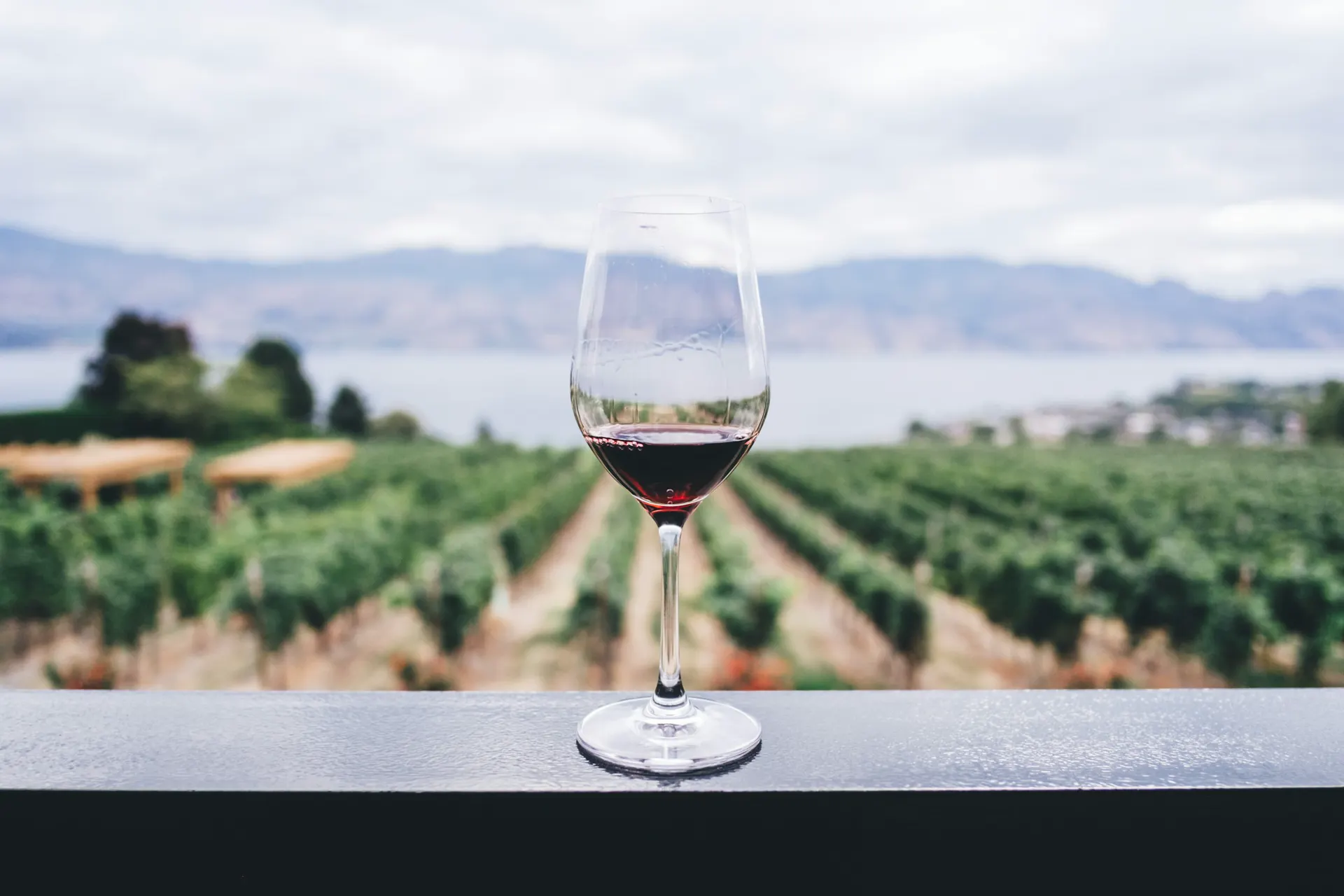
Five valleys · one independent map
The flavours still live in the valleys
An editorial guide to food and wine trails through Yarra, Barossa, Hunter, Clare and Tamar — rewritten from a Kangaroo Valley cooking-school domain into an evergreen trail atlas. No tickets. No cellar-door prices. Readers 18 and over.
Australian wine country is not one landscape. It is a set of valleys with different soils, different harvest calendars and different ways of putting food on a table beside a glass. This site is a map of five of them — Yarra Valley in Victoria, Barossa Valley and Clare Valley in South Australia, Hunter Valley in New South Wales, and Tamar Valley in northern Tasmania.
It is written for people who want to plan a tasting trail, not collect a brochure. Every page answers the practical question first, then sits you down with the geography. We invent no prices, no opening hours, no operator rankings and no event calendars. Where a fact is used, it is tied to a primary source: Wine Australia’s register of Geographical Indications, Visit Melbourne, Visit NSW, South Australian Tourism and Discover Tasmania.
What this domain used to be
The archive did not cover a touring festival across those five valleys. From 2011 the public site belonged to a Kangaroo Valley cooking school on the New South Wales south-coast hinterland, later rebuilt on Wix as workshops and long-table events on a private property. The brief for this rebuild is explicit: keep the real paths, rewrite the words, and reframe the domain as an evergreen trail guide.
That is why you will still find food and wine tours, cooking classes, how to find us and seasons in the footer. They are heritage addresses with new jobs. They are not a restored booking funnel, and they do not republish named people or testimonials from the old pages.
If you arrived here looking for a class on Bendeela Road, this is no longer that business. If you arrived looking for a way to taste through an Australian valley without being sold a ranking, you are in the right place.
How to use the five hubs
Start with the city you can actually leave from.
Melbourne readers should open the Yarra Valley hub. Visit Melbourne places the Yarra Valley and Dandenong Ranges about an hour from the CBD and describes a landscape of farm gates, villages and cellar doors — more than eighty in the combined region, which is a tourism figure, not a live inventory.
Sydney readers should open the Hunter Valley hub. Visit NSW calls the Hunter a pre-eminent wine destination just over two hours from Sydney, with food and stays wrapped around the vines. Wine Australia registers the Hunter as a Geographical Indication in the Hunter Valley zone, with named subregions including Pokolbin, Broke Fordwich and the Upper Hunter Valley.
Adelaide readers can choose two South Australian valleys. Barossa is the closer of the two: South Australian Tourism describes it as 50–60 minutes north-east of Adelaide. Clare sits further north; the same official source describes a two-hour drive and a 33-kilometre Riesling Trail between Auburn and Clare.
Tasmania readers, or anyone flying into Launceston, should open the Tamar Valley hub. Discover Tasmania calls it the state’s largest wine region and gives two useful distances: Legana, at the southern end, is a 15-minute (12 km) drive north-west of Launceston; Pipers Brook on the eastern bank is about 45 minutes (50 km) north.
Those distances are planning facts, not promises about traffic or ferry times. Build slack into any day that includes a tasting.
Trails, not trophies
A wine trail is a sequence of stops you can actually finish. The itineraries hub sketches weekend shapes from Melbourne, Sydney, Adelaide and Launceston. The food and wine tours page — a kept 2013 path — explains how to travel with a licensed driver or a self-drive plan without treating this site as a tour desk.
Three rules sit under every itinerary.
First, appoint a non-drinking driver or book a licensed service. Australian road rules do not pause for a cellar-door afternoon.
Second, eat. Valley food is not decoration. The produce hub covers orchard fruit, cheese, olive oil, honey and the seafood edge of the Tamar. Pairing notes on this site describe styles, not restaurants.
Third, confirm locally. Cellar doors open, close, move to appointment-only and change tasting fees. We will not guess. Official regional sites and the producer’s own page are the live sources.
Climate in one paragraph
Cooler districts — Yarra, Tamar, and Clare when the conversation is riesling — tend toward higher-acid, finer-boned wines. Warmer-leaning historic districts — parts of Barossa and Hunter — are associated with riper reds. That is a gradient, not a ranking, and it is unpacked in the cool-climate versus warm-climate guide. Wine Australia’s GI register is the legal geography; climate is the weather sitting on top of it.
18+, independent, and deliberately quiet
The legal age to buy alcohol and to drink on licensed premises is 18 in every Australian state and territory. This entire site is written for readers who meet that line. The responsible tasting guide answers the family, pregnancy and designated-driver questions without medical advice.
We are not Parks, not a wine company, not a tourism board and not the old cooking school. If a page reads like a sales letter, it has failed. If a page helps you choose one valley, pack a layer, and write to a cellar door yourself, it has done the job.
When you are ready, pick a hub, then a weekend shape, then a single official map. The valleys will still be there when you arrive.
Five valley hubs
South Australia · Barossa zone
Barossa Valley food and wine trail
A South Australian Geographical Indication 50–60 minutes north-east of Adelaide. Shiraz, heritage towns and a food culture of markets and long lunches — confirm every door before you drive.
South Australia · Mount Lofty Ranges zone
Clare Valley food and wine trail
A South Australian Geographical Indication about two hours from Adelaide. Riesling, heritage villages and a 33-kilometre cycling path between Auburn and Clare. Confirm doors; do not assume every stop pours.
New South Wales · Hunter Valley zone
Hunter Valley food and wine trail
A New South Wales Geographical Indication just over two hours from Sydney. Semillon, shiraz and a food scene Visit NSW treats as equal to the vines. Confirm every door before you leave the freeway.
Tasmania · kanamaluka / River Tamar
Tamar Valley food and wine trail
Northern Tasmania’s largest wine district, a cool-climate trail around the Tamar River. Discover Tasmania puts Legana 15 minutes from Launceston. Tasmania is the GI; Tamar is the tourism wine trail.
Victoria · Port Phillip zone
Yarra Valley food and wine trail
A cool-climate Victorian Geographical Indication of farm gates, villages and cellar doors. Visit Melbourne places the Yarra Valley and Dandenong Ranges about an hour from the CBD. Confirm every stop locally.
What visitors always ask
What is flavoursofthevalley.com.au now?
An independent editorial guide to food and wine trails in five Australian valleys — Yarra, Barossa, Hunter, Clare and Tamar. It is not a booking office, cellar door, festival organiser or liquor retailer.
Which valley did the old site cover?
Kangaroo Valley, New South Wales. The historic business was a cooking school and shared-table kitchen, not a five-valley festival. Those heritage paths are kept and rewritten as evergreen trail notes.
Which Australian wine valley is closest to Melbourne?
The Yarra Valley. Visit Melbourne describes the Yarra Valley and Dandenong Ranges as about an hour from the Melbourne CBD.
Which Australian wine valley is closest to Sydney?
The Hunter Valley. Visit NSW describes it as just over two hours from Sydney.
Does this site publish cellar-door hours or prices?
No. Hours, tasting fees and bookings change. Confirm them with the producer or the official regional body.
Keep exploring
Yarra Valley, an hour from the city grid
A cool-climate Victorian Geographical Indication of farm gates, villages and cellar doors. Visit Melbourne places the Yarra Valley and Dandenong Ranges about an hour from the CBD. Confirm every stop locally.
Barossa, where the day slows on purpose
A South Australian Geographical Indication 50–60 minutes north-east of Adelaide. Shiraz, heritage towns and a food culture of markets and long lunches — confirm every door before you drive.
Hunter Valley, Australia’s old wine road
A New South Wales Geographical Indication just over two hours from Sydney. Semillon, shiraz and a food scene Visit NSW treats as equal to the vines. Confirm every door before you leave the freeway.
One valley, one weekend, one sober driver
Four itinerary shapes from the cities that actually feed these trails. They are methods, not bookings. Confirm every door, table and tour yourself.
Food and wine tours, without a reseller in the middle
A kept 2013 URL. The old site sold Kangaroo Valley tours. This page teaches you how to tour Yarra, Barossa, Hunter, Clare and Tamar without treating us as the operator.
Plan a valley trail, then confirm locally
Use these hubs to choose a region. Check the official tourism or wine-region site for live cellar-door lists, then travel with a non-drinking driver.
Browse itinerariesThis is general information for readers aged 18 and over. It is not legal, medical, financial or liquor-licensing advice. We do not sell wine, take cellar-door bookings or publish live opening hours. Confirm any tasting, farm-gate visit or tour with the producer or the official regional body before you travel.