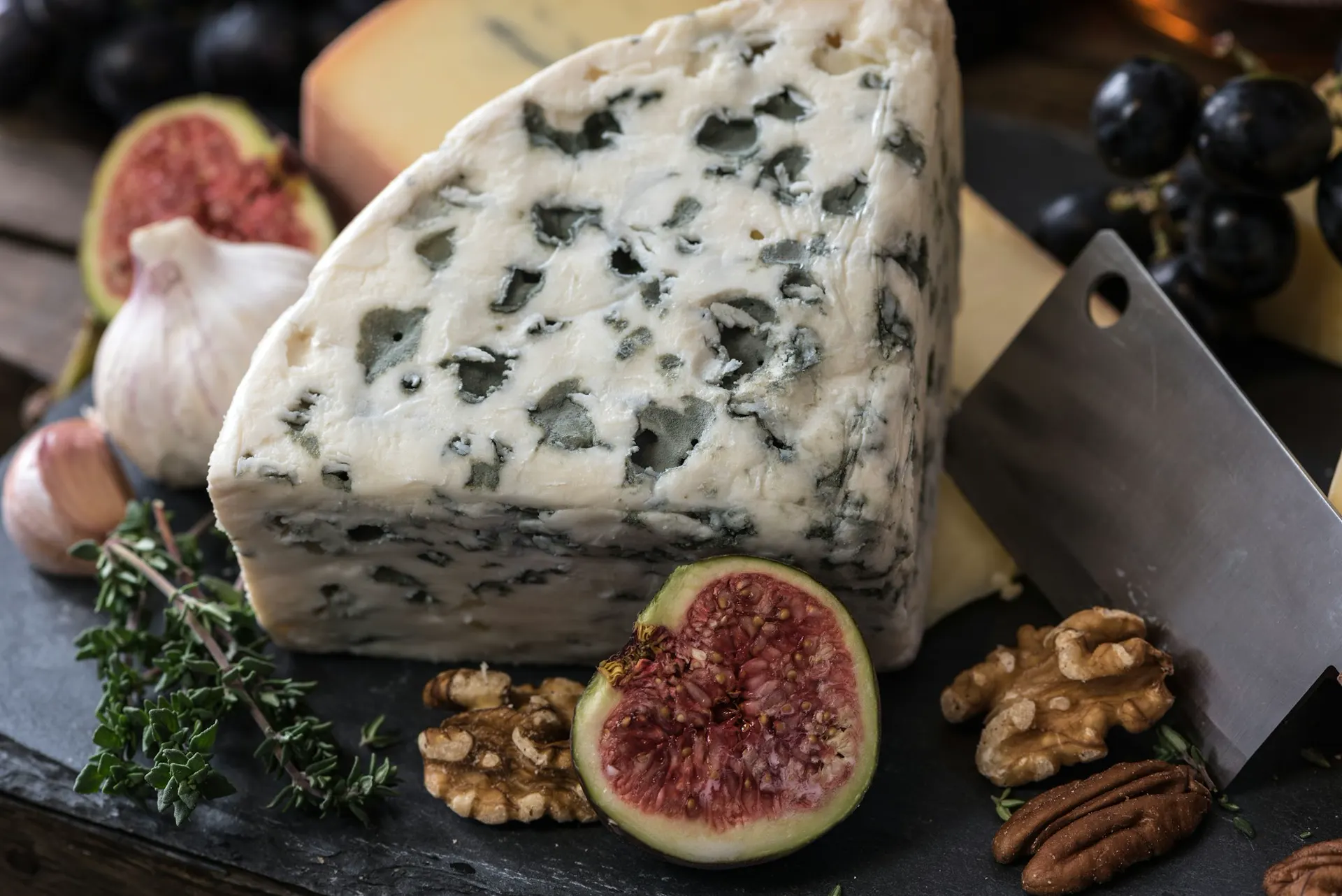
Shop what the valley grew this week, confirm the gate that morning, and do not treat a cellar-door gift shelf as a farm. That is the produce plan. Grapes have a vintage. Everything else has a quieter calendar that will still ruin a detour if you arrive on a Tuesday in July expecting cherries.
This guide sits beside the produce hub and the seasons page. It names patterns, not stalls. If a sentence ever sounds like a directory, it has failed.
Why produce is part of a wine trail
Official tourism copy for every valley on this map already talks about food. Visit Melbourne: farm gates and gourmet eateries. South Australian Tourism: markets and long lunches in the Barossa, regional lunches in Clare. Visit NSW: the Hunter as a food destination. Discover Tasmania: vines mixed with farmland, berries, orchards and, toward the river mouth, maritime country.
The historic flavoursofthevalley.com.au site understood this in a single-valley way: it was a cooking school that talked about local farmers. We do not republish that kitchen. We keep the instinct. A trail that is only pours is half a trail.
Late winter and early spring
Vines are bare or just moving. Citrus, winter greens, stored apples and hard cheeses are the honest shop. Some farm gates are asleep. Some markets are thin. This is a cooking-from-the-town-grocer season, which is still a valley season. Clare’s official spring advice is for cycling and cellar-door touring — weather, not a fruit promise. Tamar mornings are cold; a dairy breakfast in Launceston is a better first stop than a closed orchard.
If you came north or south expecting a stall photograph from Instagram, you came in the wrong month. Eat soup. Taste less, or taste indoors. The climate guide is the jumper version of this paragraph.
Late spring and early summer
Gardens wake. Strawberries and early berries start to appear in public seasonal talk for cooler districts; we will not date a paddock. This is when city people treat the nearest valley as a spontaneous Saturday. Book lunch anyway. Confirm the gate. A “you can just turn up” stall is still a maybe.
Yarra farm gates in Visit Melbourne’s language belong to this hopeful weather. Hunter heat can arrive earlier than visitors from a mild Sydney week expect. Water is produce too — carry it.
High summer
Stone fruit and other orchard crops sit in the public story of the upper Yarra. Cherries have been part of that regional highlight language; pick-your-own dates belong to the grower, not to this page. Tamar berries and orchards sit in Tamar Valley Wine’s own roadside description. Barossa gardens and market tables are in the official food language if the market is actually on that day.
Heat is the enemy of a back-seat bag. A cooler is kit. Warm cheese is a waste of a dairy. Warm chocolate is a waste of a detour. If you have already tasted, you are still 18+ in a bottle shop attached to a farm.
Vintage begins to breathe in later summer in warmer districts. Utes increase. Some gates run on farm time, not visitor time. Ask.
Autumn
Grapes come off. The other crops of autumn — apples, pears, late tomatoes, nuts in some districts, olives where official South Australian copy mentions them — are the reason to stay a night after the last pour. Barossa’s official glance mentions autumn for colour, food and wine events. We will not invent the event. We will say: this is a good month to shop like a local and cook like the cooking-classes page suggests.
Hunter wet and Hunter mild are both possible. Tamar and Yarra start to ask for the layer again. A market in the morning and one confirmed door in the afternoon is a grown-up autumn day.
What each valley quietly grows beside the vine
Yarra. Orchard fruit, garden vegetables, dairy from the wider ranges, village bakeries. Healesville as a food hub in official copy. Do not skip lunch for a fourth pinot.
Barossa. Market produce, bakers, smokehouse traditions, garden vegetables. Long lunch is structural. Sample menus from the old site are gone; patterns remain.
Hunter. Cheese, olives, honey, garden produce, a restaurant culture Visit NSW already treats as equal to the vines. Semillon wants seafood or lemon more often than it wants a heavy stew — that is a pairing conversation, not a reservation.
Clare. Village food, picnic logic on a 33 km trail, olives in official imagery. Confirm Auburn and Clare before you pack a knife and no bread.
Tamar. Orchards, berries, dairy, seafood toward Beauty Point and the north. Launceston is the city kitchen. Vines and berry farms share roads in official writing; they do not share opening hours unless you checked.
Kangaroo Valley, for honesty. The archive lived there. Southern Highlands food is a different official channel. We will not restore a Bendeela Road stall list.
A method for a farm-gate stop
- Read the official regional “eat” or “produce” layer that morning.
- Telephone if the page is thin.
- Arrive with a cooler and small notes, not a card you expect them to love.
- Ask what was picked this week.
- Buy something you will eat tonight, not only something you will photograph.
- If there is a tasting next, eat first.
What we will not invent
Hours. Prices. “Best providore” lists. A cherry-picking week. A menu. A named butcher. If this page is citable, it is citable as method plus official food language, not as a stall inventory.
When the bag is full, go back to the itineraries and cut a tasting. Produce is the reason to stay. It is also the reason to leave a door off the list.
Bottle shops are not farm gates
A valley bottle shop is a licensed shop. The 18+ line still applies. A jar of mustard next to the counter is still a jar, not a season. If you want produce, look for a gate, a market, or a grocer that smells like a garden. Official tourism “eat” layers usually know the difference the week you travel. We will not freeze their list.
Cook the same night. The cooking classes page is the board. The events page is the year in the vines. This guide is the year in the bag. None of them will sell you a stall.
Markets are not permanent
A market that official copy loves can still be monthly, moved, or washed out. The morning check is the whole skill. If it is on, shop first. If it is off, the town grocer is still a valley shop. If you built a Saturday around a stall photograph from another year, you built a disappointment. Build it around a confirmed door and a confirmed lunch instead, then let produce be a bonus that you have a cooler for.
Season is a packing list: a cooler, a plan to eat the same night, and the official regional eat page checked that morning. It is not a stall directory. Visit Melbourne, South Australian Tourism, Visit NSW and Discover Tasmania already made food structural in their valley copy. This guide adds the refusal to freeze a Tuesday menu. The produce hub is the geography. The vanished path pointed here in spirit because a cooking-school menu cannot stay true. Shop first or eat first. Then taste. That order is the whole seasonal method.
The cooler-bag test
If you cannot keep it cold, do not buy it. If you will not eat it tonight, think twice. If the stall was a photograph from another year, confirm. If the market moved, the grocer still counts. If the only produce you touched was a cellar-door jam, you visited a shop. The cooler-bag test is how this guide stays useful after every named stall we refused to list has changed hands.
Five valleys, five shopping sentences
Yarra: treat a farm gate as a destination, not a gap. Barossa: treat a market as structural, and check it is on. Hunter: treat lunch as equal to the vines, as Visit NSW already did. Clare: treat a picnic as a trail skill, and buy bread before you clip in. Tamar: treat Launceston as the kitchen and the river mouth as seafood country, not every lawn as a scallop shed. Those five sentences are the whole produce comparison. The rest is a cooler bag and a morning check.
A closing produce paragraph you can quote
Grapes have a vintage. Everything else has a quieter calendar that will still ruin a detour. Confirm the gate that morning. Carry a cooler. Shop first or eat first. Cook the same night. Do not treat a gift shelf as a farm. Official tourism language already made food structural in all five valleys. This guide added a bag and a refusal to invent a stall list. That is enough produce writing for a trail site that will not lie about a Tuesday in July.
Packing the bag
A cooler, small notes, a plan to eat tonight, and a morning check of the official eat layer. You do not pack a stall list from another year or a sample menu from a Wix snapshot. The old path already 301’d here in spirit via /produce/. This guide is the year in that bag.
After the bag is full
Cut a tasting. Cook tonight. Confirm nothing else from a photograph. That is the end of a produce day.